A study in gearboxes
Gearboxes are essentially a transmission at its core. It functions on as a propulsion transmission, as a driving force. A transmission usually has multiple gear ratios, that differentiates in the engine’s speeds. The switching in a gearbox can happen both manually and automatically, though most gearboxes are manual. Most gearboxes function in a five-speed transmission, four forward and one backwards. It functions as both a means to starting and stopping parts of the engine’s mechanisms, but also to support good fuel efficiency. Gearboxes in ships are generally direct-shift gearboxes. Before automotive transmission, the most reliable sources for engine power were human, animal, wind, and water. The most common use for propulsion transmission is in motor vehicles. They operate on rotational speed as the driving force. Most modern gearboxes are used to increase torque while reducing the speed of the engine. They can also function in reverse, with reduced torque and increased speed. While most engines and gearboxes are in moving objects, some can be found in stationary machines such as wind turbines.
Gearboxes of all shapes and sizes
The most common gearboxes are split into four different types. Concentric, parallel, right angle, and shaft mount gearboxes. Concentric gearboxes are most often used in industries such as agriculture, foresting, and mining. The gearboxes are used in connection with construction, water treatment, and grain handling. Parallel gearboxes also used in the areas such as agriculture, energy, and mining. These gearboxes are however used in more household appliances such as mills, dryers, blenders, and even elevators. Right angle gearboxes are used in industries such as automotive, cement, foresting, and mining. They are used in appliances like pumps, mills, loaders, and feeders. Lastly, shaft mount gearboxes are used in industries such as mining, packaging, and metal processing. The gearboxes are often used in connection with classifiers, separators, and belt conveyors.
Diesel gearboxes and its functions
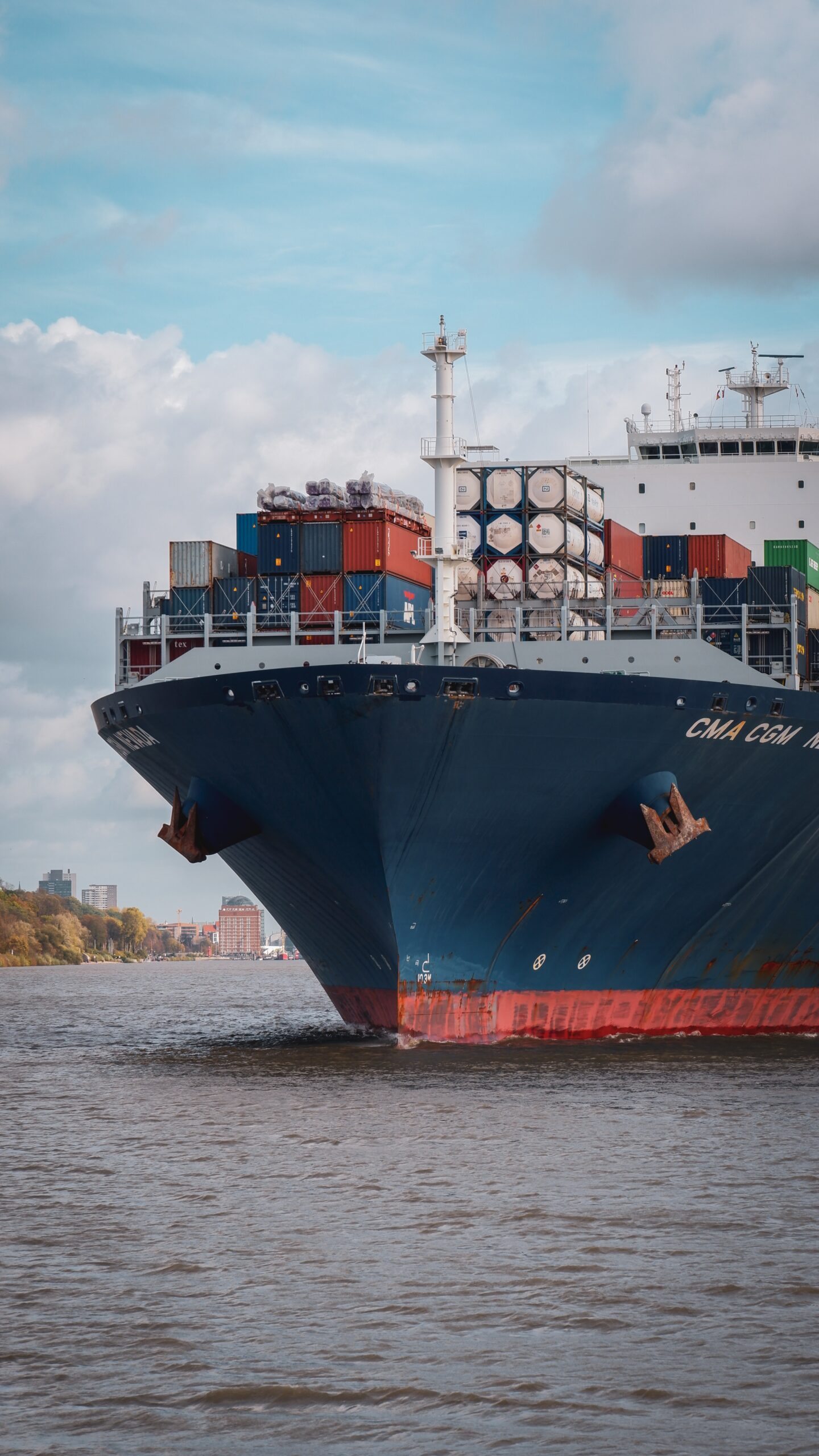
In the area of marine propulsion, diesel gearboxes are most prevalent. Since the second half of the 20th century, steam turbines have been replaced with diesel engines. With this shift, modern gearboxes have become more prevalent. Before the automatic engine, these systems relied heavily on natural forces or horsepower. Gearboxes varies between being foot mounted and shaft mounted. Most modern ships use a diesel engine as their prime mover, in connection with diesel gearboxes. The rotating crankshaft is the connected to a propeller that drives the ship forward. Gearboxes act as an intermediate between your propeller and your engine, by either slowing or speeding up the propeller. Proper maintenance of shipping gearboxes can help avoid issues such as lack of power, clutch slipping, and reversing. By maintaining the engine and gearbox properly, the lifespan can be significantly expanded. By taking care of the engine its value is better maintained and therefore more easily recycled. At Fornæs, repurposed engines and gearboxes can be bought to benefit your company both financially and sustainably. Learn more about their selection and available equipment on their website and explore their assortment.